0203-002-6366
 1-212-381-1055
 61-3-8820-5043
  021-111-279-111
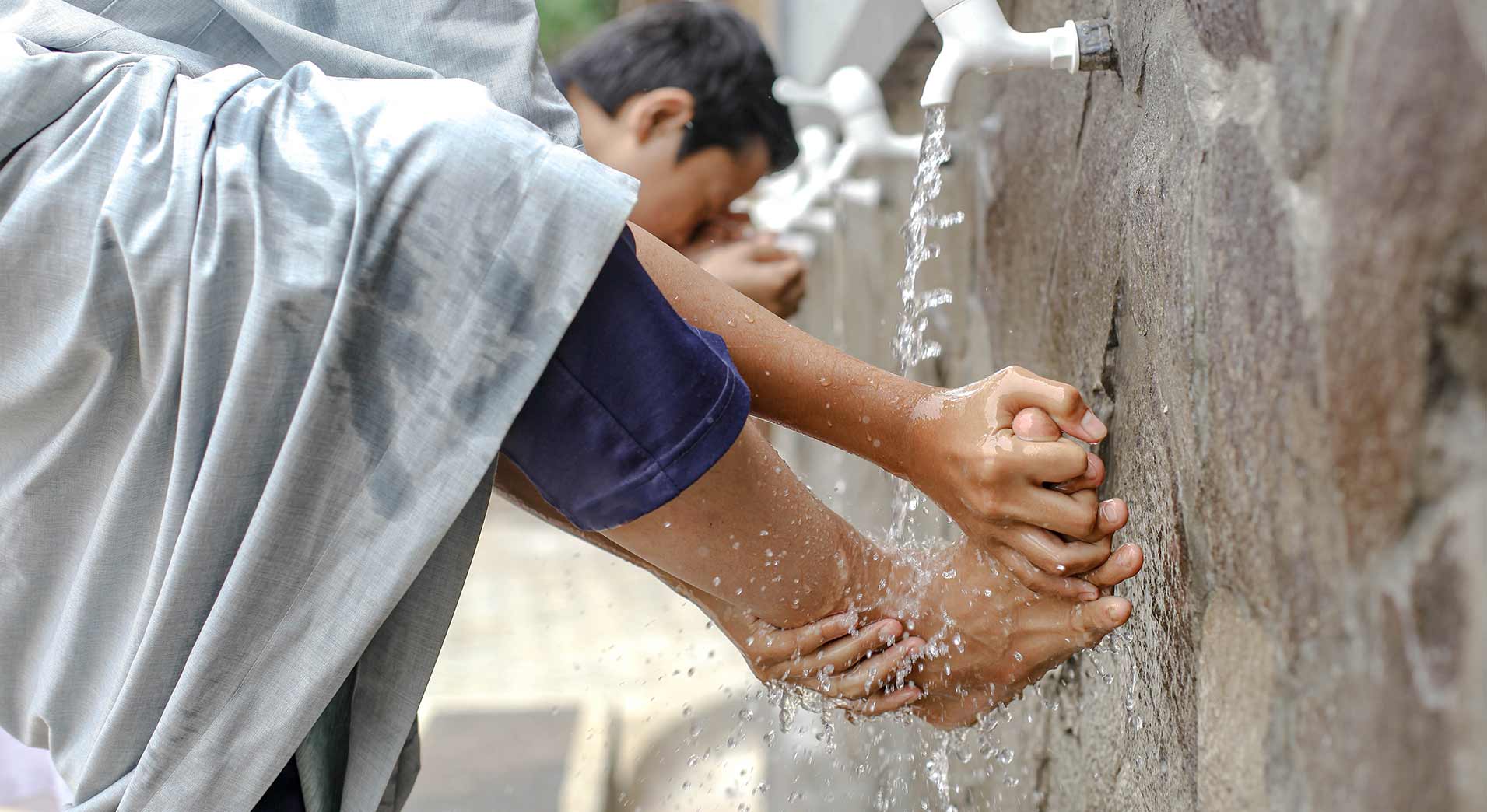
Muslims perform wudu before standing for prayer in front of Allah. Wudu purifies the body and soul before worship. It is directly connected to the Islamic concept of purification. Muslims do Wudu many times a day.
Wudu is done mainly five times a day. It is required before doing other acts of worship like recitation of the Quran. Even after doing it several times, many Muslims don’t know its spiritual significance or its correct method. This blog will give you a detailed explanation about Wudu, its importance, the correct steps, and common questions about it.
Why Is Wudu Important in Islam?
Wudu not only cleans the body; it also purifies one’s mind and soul. It is directly connected to Salah, the second of the five pillars of Islam. It helps in developing a sense of cleanliness and focus toward your prayers. Wudu removes distraction from your mind and creates a bond with Allah (SWT). Prayer simply does not count without it.
The Prophet Muhammad (PBUH) said, “The prayer of a person who does not perform ablution is not valid.” (Hadith: Sunan Abi Dawud 101, graded Sahih by Al-Albani)
Wudu Steps: How to Make Wudu Correctly
There is a correct way of doing the Wudu explained in Hadiths and the Holy Quran. The correct Wudu steps are mentioned below:
Step 1: Intention (Niyyah)
Start by silently making the intention to perform Wudu for the sake of Allah.
Step 2: Bismillah
Say: “Bismillah” (In the name of Allah). بِسْمِ ٱللَّٰهِ ٱلرَّحْمَٰنِ ٱلرَّحِيمِ.. If you are making Wudu in the washroom, you should not recite it with your tongue. Just say Bismillah in your heart.
Step 3: Wash Hands
Wash both hands up to the wrists 3 times. Make sure to clean between the fingers.
Step 4: Rinse Mouth
Next, rinse your mouth 3 times by swirling water inside.
Step 5: Rinse Nose
After that, sniff water into your nose gently and blow it out 3 times.
Step 6: Wash Face
The next step is to wash your face from the forehead to the chin and from ear to ear. Do this 3 times.
Step 7: Wash Arms
Wash your right arm up to the elbow 3 times. Repeat with your left arm.
Step 8: Wipe Head
Wet your hands and wipe over your head once, front to back. Move your wet hands from the top of the forehead to the back of the head. Then wipe from the back of the head to the forehead. This is done only once.
Step 9: Wipe Ears
Afterwards, with wet hands, you will use your index fingers to clean the inside of your ears. Also use your wet thumb to clean the area behind your ears.
Step 10: Wash Feet
Wash your right foot up to the ankle 3 times. Don’t forget to clean between the toes. Repeat with the left foot.
Fard vs Sunnah Acts of Wudu
Fard means the obligatory act of performing a wudu. Without this, the Wudu is incomplete. The four obligatory acts of Wudu are:
- washing the face
- the arms to the elbows
- washing one-fourth part of the head
- washing feet to the ankles
Sunnah Acts of Wudu
Sunnah acts of Wudu are not mandatory, but these are done for getting extra rewards. The Wudu sunnah includes acts like saying Bismillah, using Miswak, or washing three times. Missing a Sunnah does not make your Wudu invalid. For example: If you are doing Wudu but forget to say Bismillah, your Wudu still counts.
What is Tayammum?
Tayammum is an Arabic word which means seeking or aiming. It is a dry ablution. Tayammum uses clean earth or dust instead of water. It is done when water is not available or not safe, such as while traveling or during illness.
Tayammum shows the flexibility provided in Islam when water is not available. Moreover, it highlights the importance of purification before praying.
What Do You Say After Wudu?
Wudu itself is a highly rewarding act. However, reciting the wudu dua after performing it increases its rewards. Many Muslims ask what to say after Wudu. The Holy Prophet (PBUH) taught this dua after Wudu:
أَشْهَدُ أَنْ لَا إِلَٰهَ إِلَّا ٱللَّهُ وَحْدَهُ لَا شَرِيكَ لَهُ، وَأَشْهَدُ أَنَّ مُحَمَّدًا عَبْدُهُ وَرَسُولُه
Translation: I bear witness that there is no god but Allah alone, without partner, and Muhammad is His servant and messenger. (Sunan an-Nasa’i 148)
You can find more supplications like this in our guide on Allahumma Barik meaning and usage.
Wudu For Kids
The Wudu for kids is the same as for adults. There is no different way of performing Wudu for kids. Parents and teachers should teach the children Wudu according to Islamic teachings. However, for kids, Wudu can be taught in creative, fun ways through our Islam for Kids and Quran for Kids courses. Children can learn Wudu through pictures, videos, books, and worksheets.
Frequently Asked Questions
What is the difference between Wudu and Ghusl?
Wudu is minor cleanliness done for removing minor impurities before acts of worship. Ghusl is major cleanliness, a full-body wash performed after major impurities, such as menstruation or intimacy.
What breaks Wudu?
Using the toilet, deep sleep, passing gas, and certain types of bleeding can break Wudu. This may vary depending on your school of thought.
Can I perform Wudu while wearing nail polish?
No. Nail polish blocks water from reaching the nails, so it should be removed first. Other products that create a waterproof layer, such as waterproof eyeliner or waterproof mascara, should also be removed before performing Wudu.
How long does Wudu last?
Your Wudu remains valid until something breaks it, like passing gas, using the washroom, vomiting, etc. You only need to perform Wudu again after it has been nullified.
Can you make Wudu with socks?
Yes, doing Wudu with socks is allowed in certain conditions. You can wipe over the top of socks with wet hands. Different scholars have different answers for this question. It is better to ask a religious scholar.
Can I still pray if there is no water available?
Yes. If water is unavailable or cannot be used, you can perform Tayammum using clean earth or dust before offering your prayer.
Conclusion
The Holy Prophet (PBUH) explained the importance of Wudu as:
“On the Day of Resurrection, my followers will be called ‘Al-Ghurr-ul-Muhajjalun’ from the trace of ablution, and whoever can increase the area of his radiance should do so (i.e., by performing ablution regularly).” (Sahih Bukhari 136)
Wudu is not an ordinary religious ritual. It prepares your mind and body before you stand in prayer. Wudu is the first step of any prayer. Not doing Wudu correctly will also affect your prayers.
For learning more about Wudu, you can join our Salaat and Dua course. Moreover, many other QTV Tutor courses will help you to learn more about it, or you can book a free assessment to get started.